
Expanding Surface Characterisation Capabilities
Ingram Tribology Ltd is pleased to announce the installation of a new Profilm3D optical profilometer, supplied by and installed by Russell Evans of OmniScan Ltd.

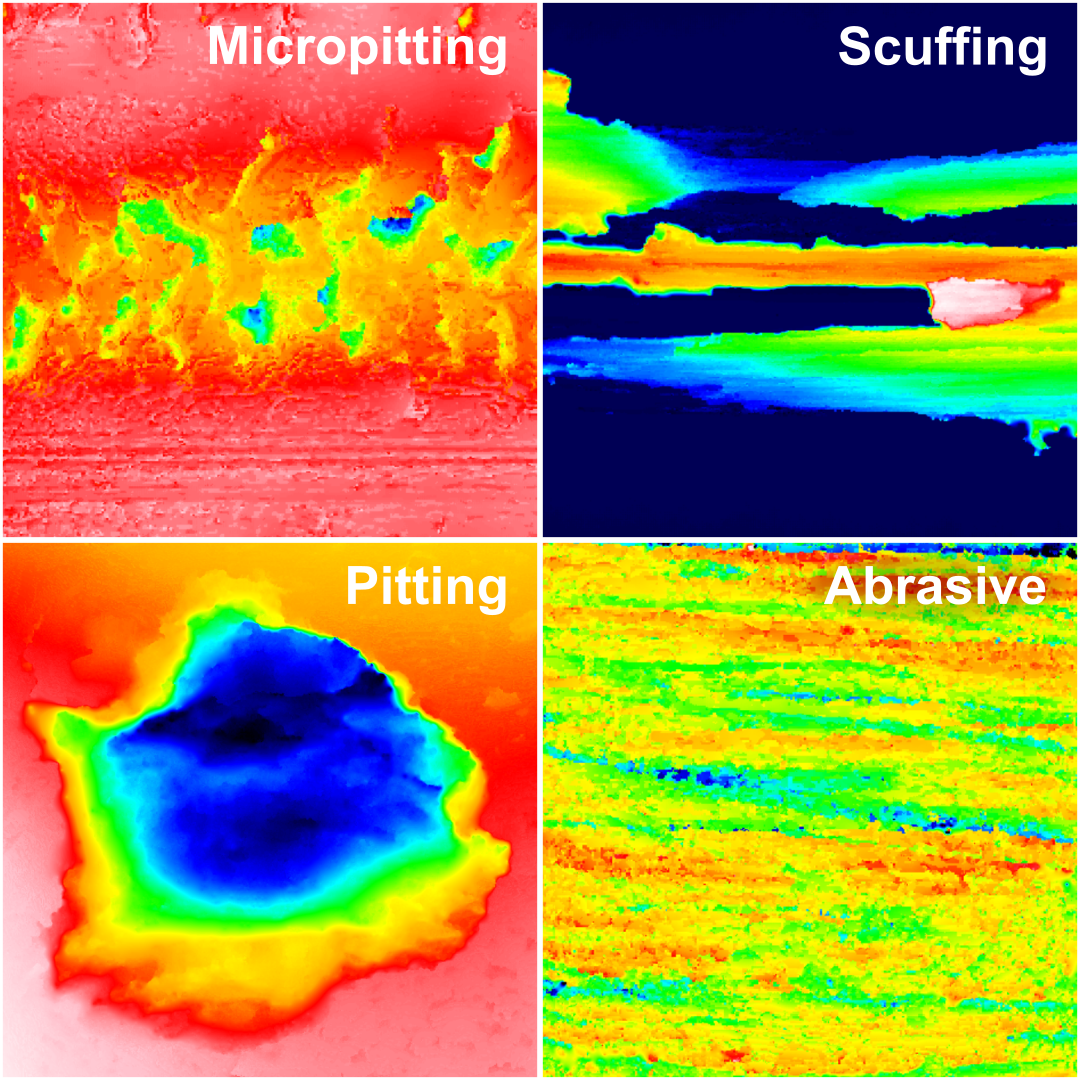
Optical profilometry is a powerful non-contact surface metrology technique that enables high-resolution measurement of surface topography, roughness, morphology, and wear features in three dimensions. For tribologists, this provides quantitative insight into:
- Wear scar geometry and morphology
- Micropitting and surface fatigue features
- Scuffing and adhesive wear damage
- Abrasive wear mechanisms
- Coating integrity
- Surface finish evolution during testing
Unlike traditional stylus profilometry, white light interferometric methods provide rapid, 3D measurements without risk of stylus-induced surface damage. This is particularly valuable when analysing delicate tribofilms, soft coatings, or early-stage fatigue damage.
The Profilm3D Optical Profilometer system offers:
- High vertical resolution (nanometre-scale)
- True 3D areal surface mapping
- Stitching for larger area measurements
- Advanced post-processing and surface parameter extraction
This enables precise quantification of:
- Wear volume and material loss
- Maximum wear depth
- Surface roughness parameters (Sa, Sq, Sz, etc.)
- Peak and valley distributions
- Surface anisotropy and texture direction
For rolling contact fatigue and micropitting investigations, the ability to capture full areal data – rather than single line traces – provides a more representative and statistically robust understanding of surface evolution.
Optical Profilometer in Tribology Testing
The addition of optical profilometry significantly strengthens our ability to interpret results from our tribological test programmes, including:
- Rolling contact fatigue and micropitting studies
- Boundary and mixed lubrication wear testing
- Additive screening programmes
- Coating performance evaluation
- Electrified tribology investigations
Accurate volumetric wear quantification allows improved differentiation between lubricant formulations, additive chemistries, and operating conditions. This is particularly valuable in comparative screening programmes where small performance differences must be resolved with confidence.
By combining surface metrology with friction data, we can now provide a more complete mechanistic interpretation of wear processes.
Supporting Our Clients
The installation of the Profilm3D forms part of our continued investment in advanced test and analysis capability. Clients will benefit from:
- Improved data quality
- Enhanced failure analysis
- Quantitative wear metrics for reports and publications
- Faster turnaround of surface analysis
Surface morphology is often where the real story of a tribological system is written. This new capability ensures we can capture it accurately, repeatably, and with the technical rigour expected by OEMs, lubricant developers, and research partners.