
White Etching Cracks

Overview

White etching cracks (WECs) are a form of subsurface-initiated rolling contact fatigue failure in hardened bearing steels. They are most commonly observed in rolling element bearings operating near motors or generators, particularly in wind turbine drivetrains.

In WEC failures, cracks typically initiate below the surface, often at a non-metallic inclusion and grow until they reach the raceway surface, forming pits or spalls. Unlike classical bearing fatigue, WEC failures often occur well within the intended design life of the bearing.

The definitive root cause of WEC formation remains unresolved. Current understanding suggests that WECs arise from a combination of mechanical loading, tribochemical reactions, and electrical effects. They are identified metallographically using serial sectioning techniques, where characteristic white etching areas (WEAs) become visible beneath the surface.

What Are White Etching Cracks?

White etching cracks consist of a network of subsurface cracks surrounded by regions of altered microstructure known as white etching areas (WEAs). These crack networks are typically associated with subsurface features such as non-metallic inclusions.

A typical WEC network contains:

  • A dominant crack running roughly parallel to the raceway surface
  • Numerous secondary cracks branching in multiple directions
  • Localised WEAs surrounding portions of the crack network

The white etching area is composed primarily of hard ferrite. After polishing and chemical etching, the surrounding martensitic steel etches dark, while the ferritic WEA remains bright, producing a distinctive white appearance under optical or electron microscopy.

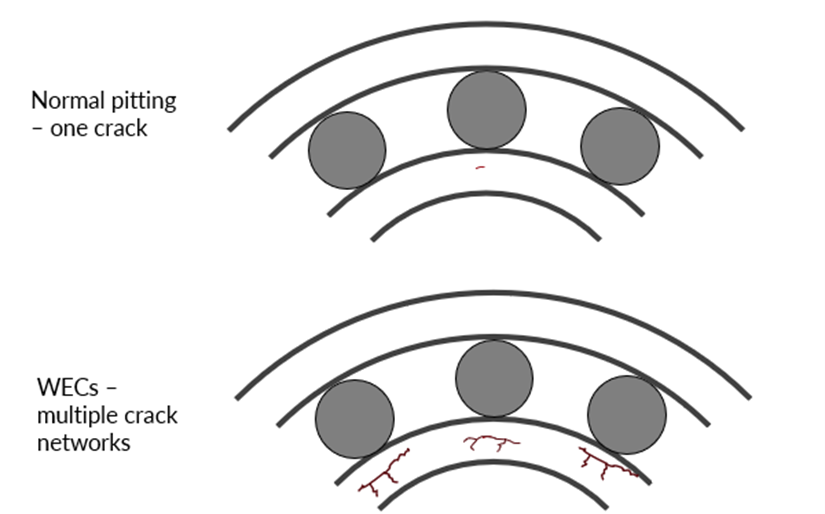
In components affected by WECs, many such crack networks are usually present, rather than a single isolated defect.

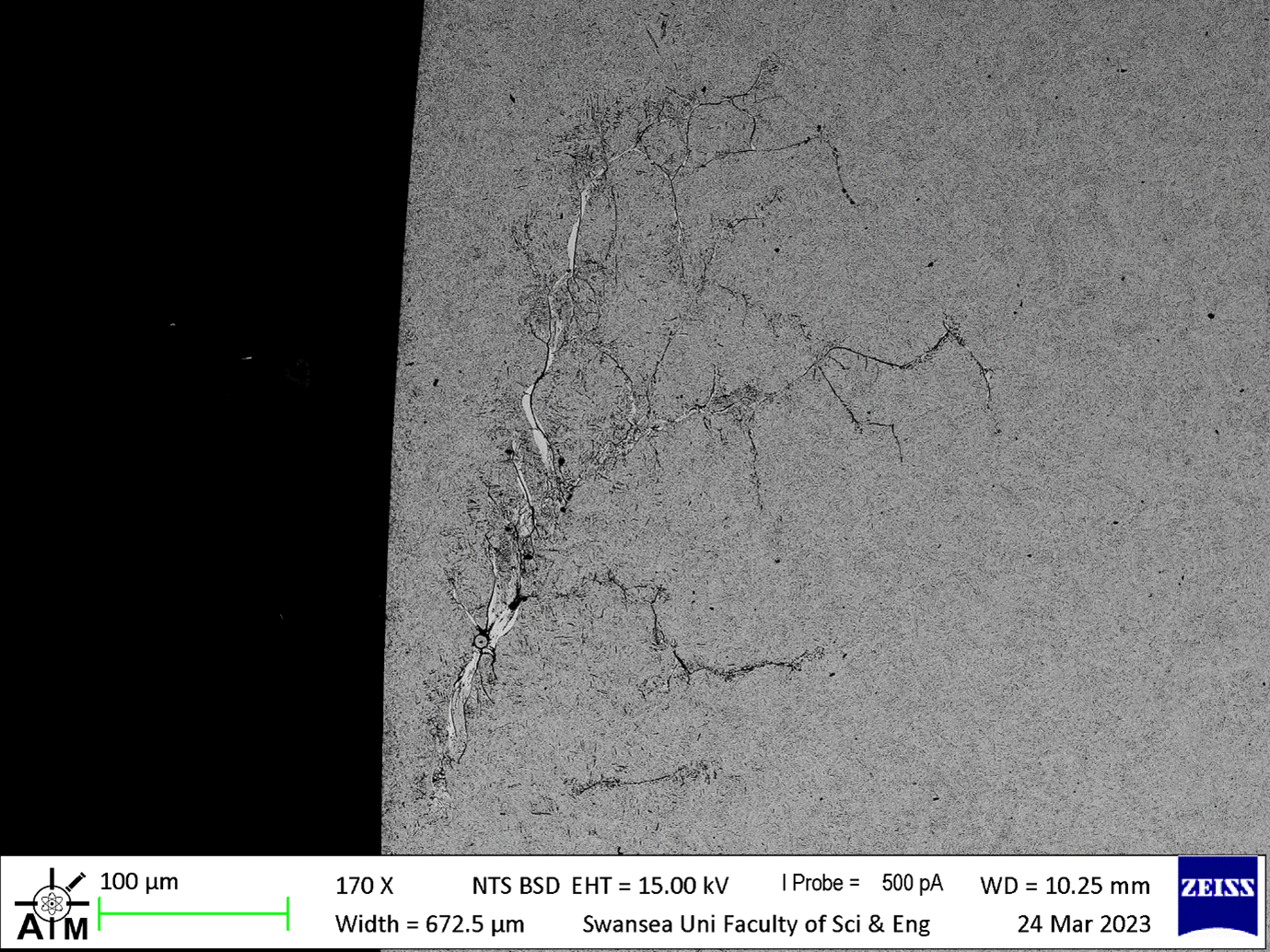
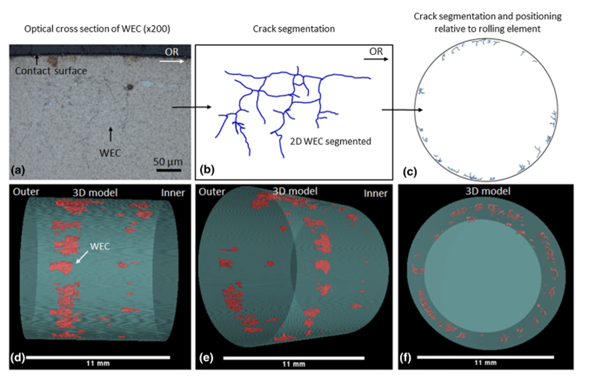
An example SEM image (taken at AIM, Swansea University) illustrates the characteristic features of WEC damage. A small non-metallic inclusion appears to act as the initiation site, with two early-stage “butterfly wings” forming around it. From this region, cracks propagate both parallel to the surface and deeper into the material. Portions of the crack network are bordered by WEAs, indicating significant local microstructural transformation. With continued rolling contact, these subsurface cracks eventually coalesce with the surface, producing a spall or pit.

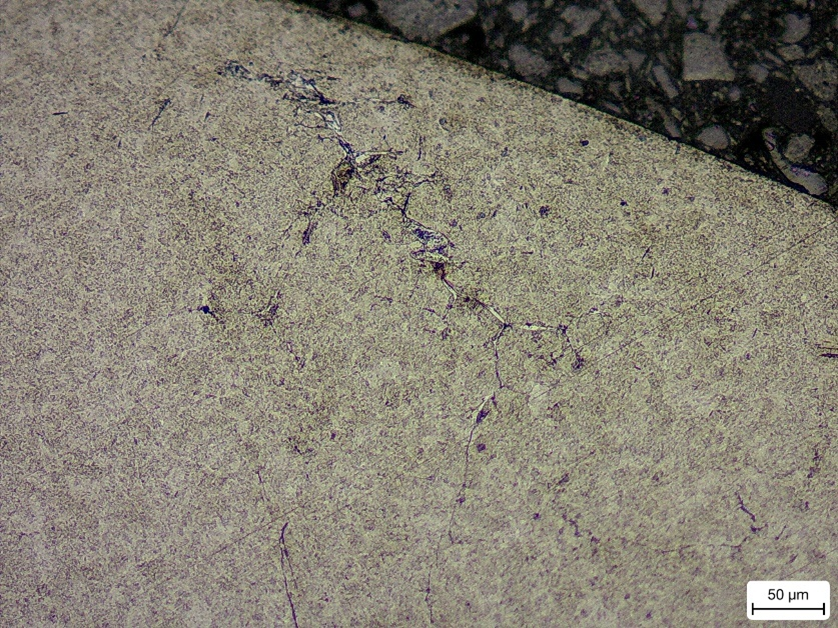
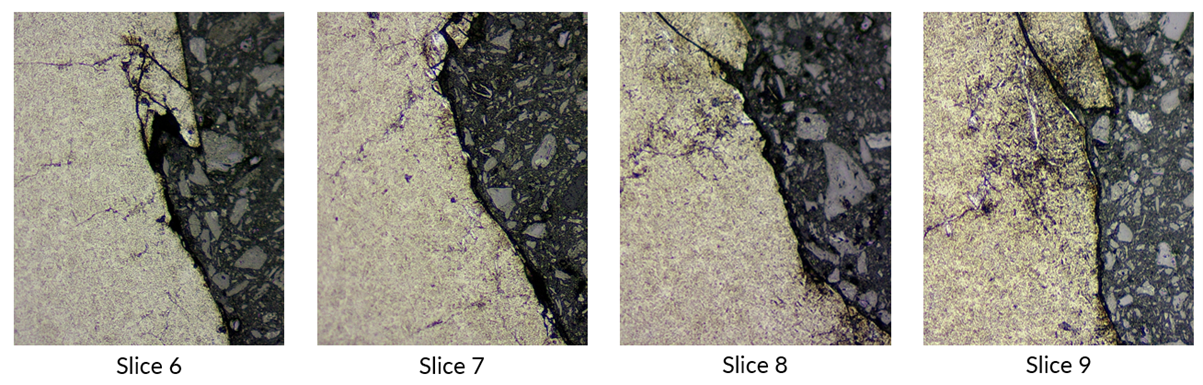
Serial sectioning of a pitted roller (shown below) shows that these crack networks extend through the subsurface. Each section—taken approximately 100 µm apart—reveals a different cross-section of the same interconnected damage structure.

How Is This Different From Classical Pitting

At first glance, WEC failures may appear similar to classical subsurface-initiated pitting, a mechanism that has been well understood for decades. The key differences between the two mechanisms is how the cracks form, how many initiation sites exist, and how the bearing fails statistically.

Classical Subsurface Initiated Pitting

  • Typically one initiation site
  • One dominant crack leading to one initial pit
  • Subsequent damage may occur as debris circulates
  • Follows a wear-out failure distribution
  • The majority of bearings (>90%) survive beyond their calculated design life

White Etching Crack Failures

  • Multiple initiation sites distributed throughout the component
  • Many crack networks develop simultaneously
  • Cracks are surround by white etching area
  • Leads to multiple axial cracks and surface pits
  • Failure statistics show early mortality
  • Indicates an accelerated damage mechanism, rather than normal fatigue

In WEC-affected bearings, crack networks are often found around the entire circumference of the rolling element or raceway. This indicates that the steel itself has been compromised, making the formation of multiple surface spalls essentially inevitable.

Work by Richardson (1) shown below clearly demonstrates the abundance of crack networks below a steel surface. This was achieved by mapping the location of all crack networks in a single roller specimen, showing widespread subsurface damage long before catastrophic surface failure occurred.

What Causes White Etching Cracks?

In field applications – most notably wind turbines – WEC formation is believed to be driven by a combination of mechanical, electrical, and chemical influences.

Mechanical Drivers

  • Transient overloads causing short-duration high contact pressures
    (e.g. grid disconnections, emergency stops, wind gusts)
  • High slip or sliding within the bearing during transient operation
  • Edge loading due to misalignment or deflection

Electrical Drivers

  • Electrical discharge events
    High current or voltage events can create surface damage that locally increases subsurface stress
  • Stray currents
    Lower-level currents can disrupt tribofilm formation, accelerate lubricant degradation, and promote hydrogen generation

Chemical Drivers

  • Water contamination, which can act as a source of hydrogen
  • Lubricant formulation
    Some additive chemistries are associated with increased WEC susceptibility
    Oils that form robust, low-friction tribofilms tend to reduce WEC risk
  • Lubricant oxidation, which may generate hydrogen as a by-product

Competing Theories of WEC Formation

It is increasingly accepted that WEC formation may be multi-modal, with different mechanisms dominating under different operating conditions.  The most popular theories include hydrogen embrittlement, transient overloads and electrical current effects. 

Hydrogen Embrittlement

Hydrogen diffuses into the steel, reducing ductility and promoting crack initiation and branching. Hydrogen may originate from water contamination or lubricant degradation.

Stress History and Transient Overloads

The transient nature of the wind turbine mechanical system may cause short-duration, high-stress events.  These will result in very high pressures or increased sliding in the bearing and may initiate subsurface cracks. These cracks then propagate slowly under normal loading. One hypothesis suggests that rubbing of crack faces contributes to the formation of the white etching area.

Electrical Current Effects

WECs have been generated experimentally under moderate direct and alternating currents (≈250 mA).

The electrical current is known to effect tribofilm formation, possibly hindering it, promoting metal-on-metal contact, which could then lead to higher friction and higher stresses in the subsurface.  The lack of a robust tribofilm may also lead to the accelerated oxidation of the lubricant, forming hydrogen. 

Current Mitigations in the Field

Lubrication-Based Approaches

  • Additive chemistries less prone to hydrogen generation
  • Improved oxidative stability
  • Controlled lubricant conductivity and polarity
  • Reduced water content (typically <200–300 ppm)
  • Adequate film thickness and correct viscosity
  • Avoidance of overheating

Materials and Surface Engineering

  • Ultra-clean steels (fewer inclusions)
  • Optimised heat treatments
  • Protective coatings (e.g. black oxide, DLC, ceramic coatings)

What Can the Lubricant Do?

The lubricant plays a central role in mitigating WEC formation. Beyond reducing friction and wear, it must form a robust tribofilm capable of maintaining low friction under:

  • High loads
  • Sliding conditions
  • Variable electrical environments

Effective tribofilms help control subsurface stress fields and reduce metal-to-metal contact. This not only limits crack initiation and propagation but may also suppress lubricant degradation pathways that lead to hydrogen generation.

Weibull Statistics and WEC Failures

Weibull statistics are commonly used to describe fatigue failures in rolling contact systems.

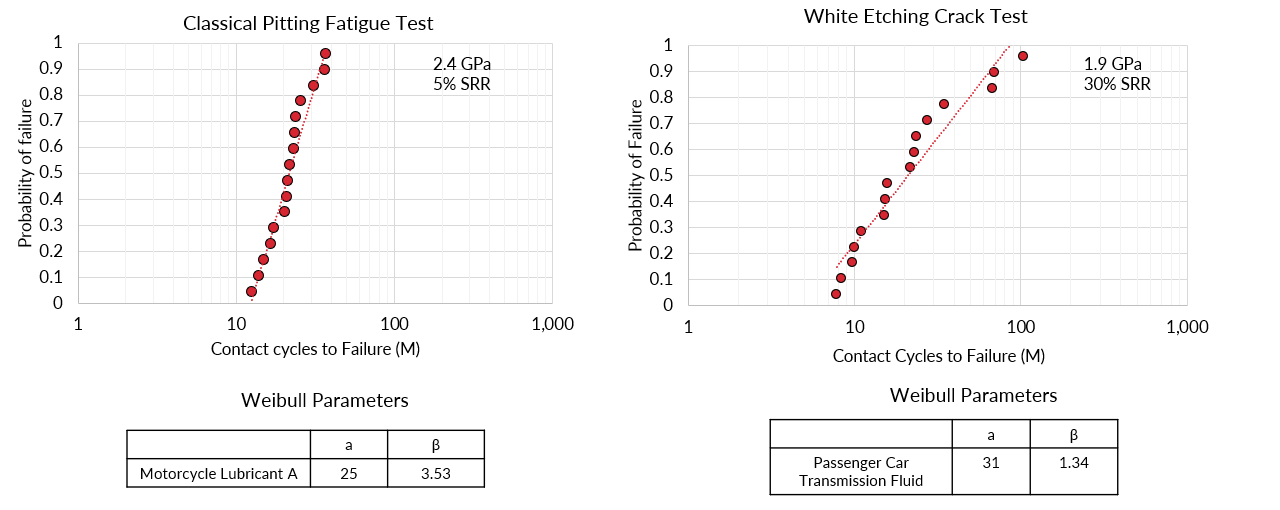
In classical pitting tests, the distribution of cycles to failure is relatively narrow, with a Weibull slope β ≈ 3, characteristic of wear-out behaviour.

In contrast, WEC-type tests exhibit a much lower Weibull slope (β ≈ 1). This indicates early failures, with some specimens failing very quickly while others survive much longer. This statistical signature reinforces the view that WECs represent an accelerated failure mechanism, rather than normal rolling contact fatigue.

The test results shown below use a 3 ring on roller test machine with multiple repeat tests.  The classical pitting fatigue test results are taken from the data by Smeeth (2) which uses a SRR of 5% and 2.4 GPa, with 10W-40 motorcycle oils.  The white etching crack tests use a SRR of 30 % and 1.9 GPa, and a 75W80 transmission oil. 

Laboratory Testing of White Etching Cracks

WECs can be reproduced at laboratory scale using specialised test methods, typically with deliberate acceleration strategies:

  • High slide-roll ratios
    (e.g. ~30% SRR on MPR or high-slip configurations in FE8 tests)
  • Hydrogen charging of steels
  • Use of known “bad reference oils” (3)
  • Lower cleanliness steels with higher inclusion content
  • High contact pressures applied early in the test (4)

These approaches allow WEC behaviour to be studied within practical test durations, albeit under deliberately severe conditions. If you would like to learn more about WEC and how we are helping people solve them, please get in touch.

References

  1. Richardson, A.D., Evans, MH., Wang, L. et al. The Evolution of White Etching Cracks (WECs) in Rolling Contact Fatigue-Tested 100Cr6 Steel. Tribol Lett 66, 6 (2018). https://doi.org/10.1007/s11249-017-0946-1
  2. Smeeth, M., “The Rolling Contact Fatigue Behaviour of Motorcycle Lubricants,” SAE Technical Paper 2014-32- 0117, 2014, doi:10.4271/2014-32-0117.
  3. https://www.stle.org/files/TLTArchives/2019/04_April/Cutting_Edge.aspx
  4. Francesco, M., The Origin of white etching cracks and their significance to rolling bearing failures,”  Int. J. Fatigue., 120, (2019) 107-133.  https://doi.org/10.1016/j.ijfatigue.2018.10.023

Understanding the Science of Skin Feel: How Biotribology Shapes Cosmetic Perception

The global cosmetics market is valued at a staggering $700 billion per year, encompassing everything from skin creams and shampoos to shower gels and makeup. It’s a fast-paced industry where innovation is essential, especially as brands move toward more sustainable, vegan, and cruelty-free formulations.

A product’s success isn’t just about what’s inside the bottle—it’s about the entire sensory experience. From marketing and packaging to the way it feels during application and after absorption, every detail influences consumer perception.

One of the key scientific factors in this experience is biotribology—the study of friction, lubrication, and wear in biological systems . When a product is applied to the skin, its initial feel is determined by rheology—how it flows, spreads, and changes viscosity under movement. But once it’s on the skin, biotribology properties take over, dictating how smooth, silky, or greasy the product feels as it’s rubbed in.

At Ingram Tribology, we specialise in scientifically evaluating this “on-skin” experience. By mimicking the application of creams and measuring friction, we can provide insights into how different formulations affect sensory perception. This allows cosmetic brands to fine-tune their products to match desired marketing narratives—whether that’s “luxuriously rich,” “feather-light,” or “intensely hydrating.”

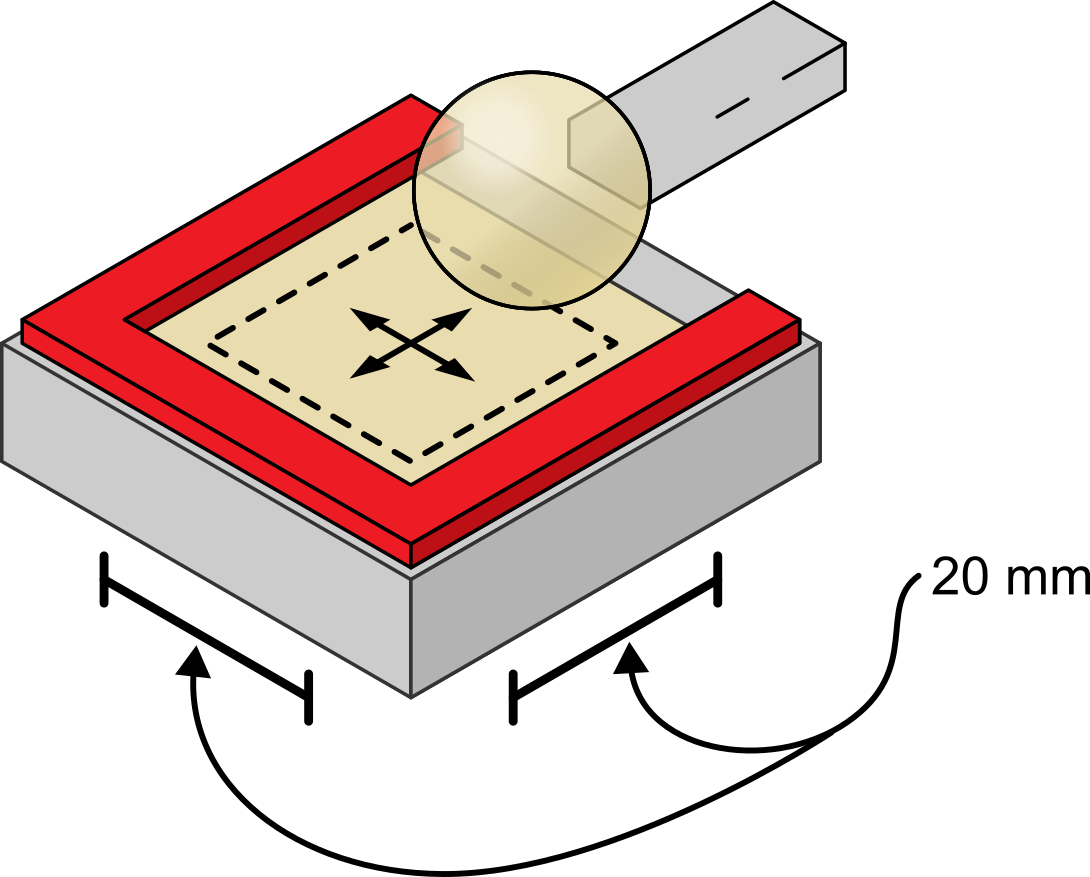
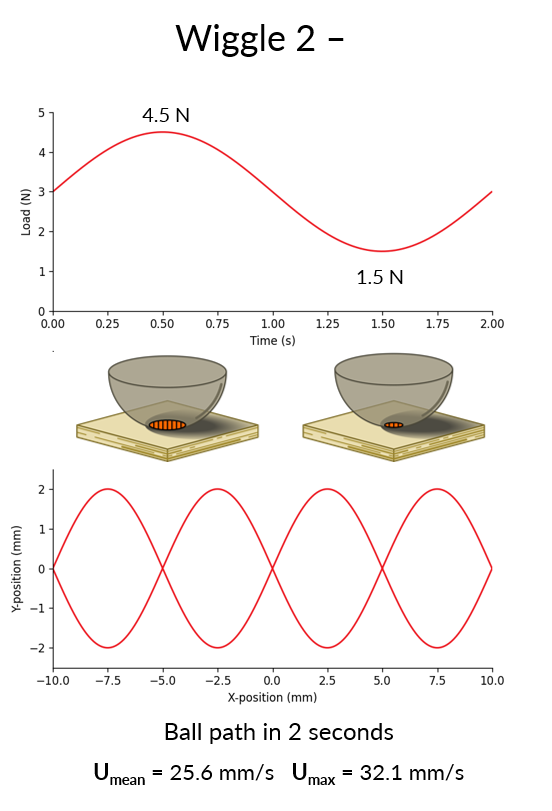
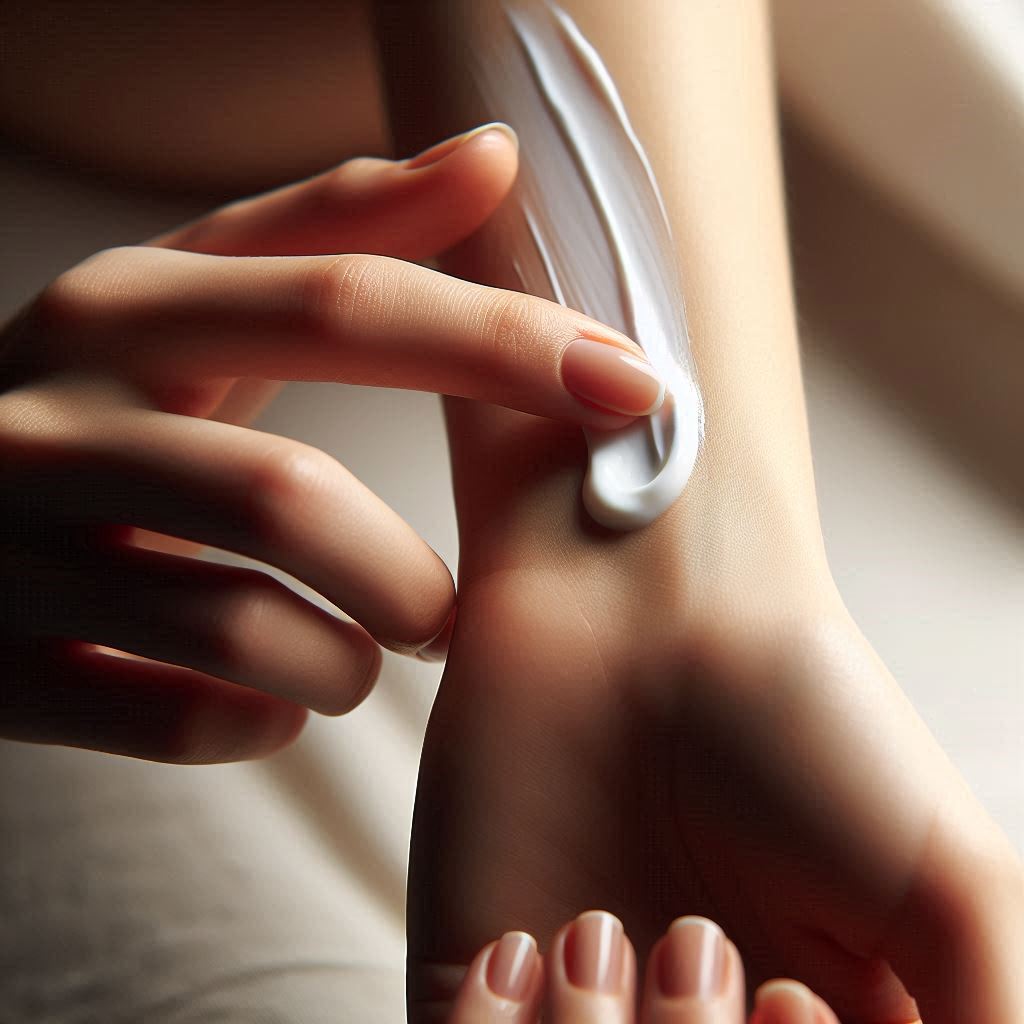
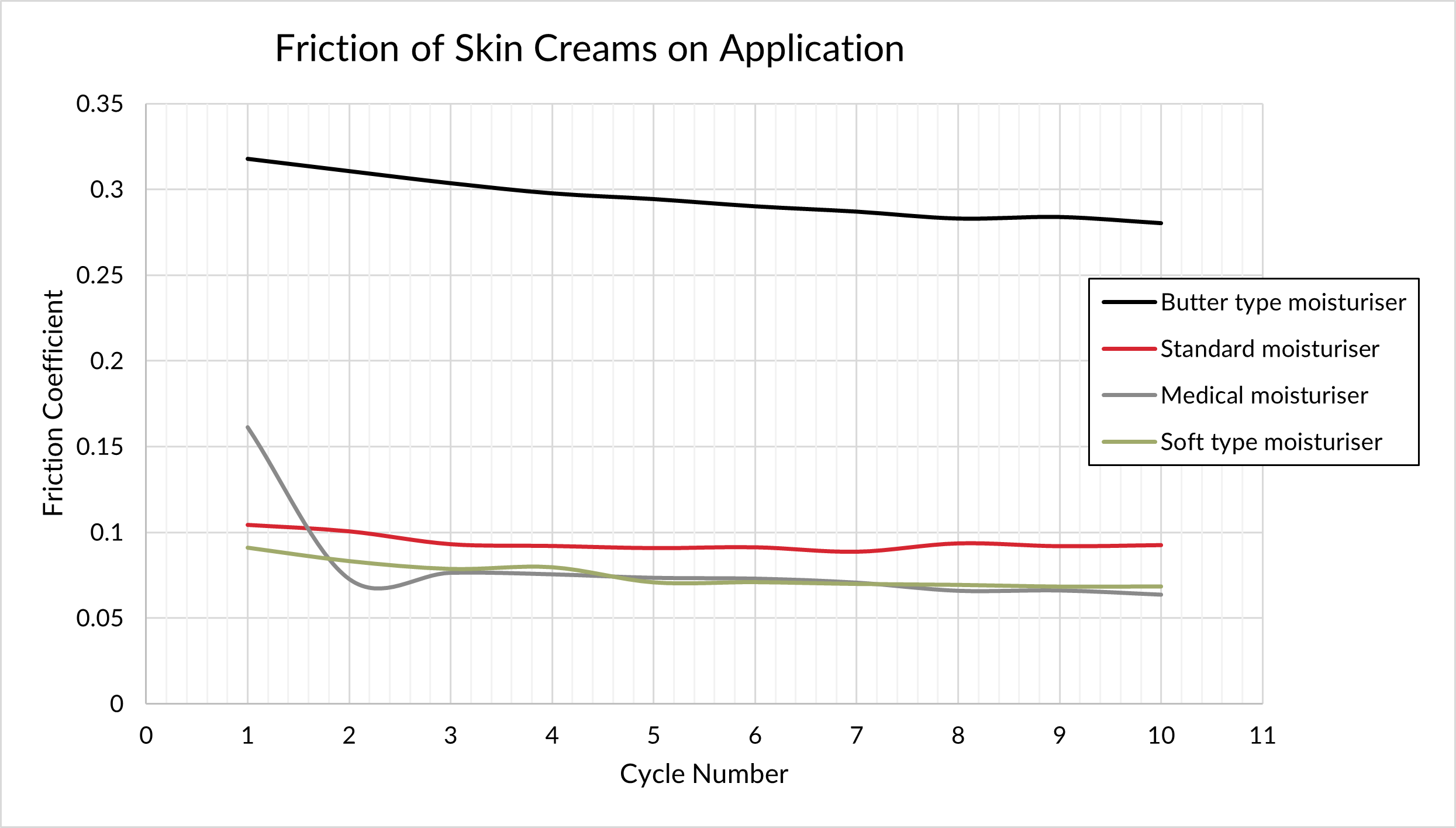
To demonstrate this, we tested four types of moisturisers using skin-mimicking materials in a custom test rig, simulating a circular rubbing motion. We also asked our team to apply the creams and describe their experiences.

Here’s what we found:

  • The “Buttery” Moisturiser – Thick, oily, and rich, leaving a noticeable residue. Our measurements showed it had the highest friction, matching the perception of heaviness.
  • The “Standard” Moisturiser – Thick and nourishing, leaving a protective film on the skin. It showed moderate friction, supporting its “hydrating yet smooth” feel.
  • The “Medical” & “Soft” Moisturisers – Light, watery, and fast-absorbing. Both had the lowest friction, correlating with their quick absorption and silky feel.
Skin cream perception measured with tribology

By combining sensory evaluation with scientific measurement, we bridge the gap between consumer experience and formulation science—helping brands create products that feel just as good as they claim.

Want to learn more about how we can help fine-tune your formulations? Get in touch!

If you want to learn more about biotribology – why not attend our next biotribology for industry course?

🌟 Ingram Tribology Achieves ISO 9001 Certification! 🌟

We are proud to announce that Ingram Tribology has successfully achieved ISO 9001 Certification!

This globally recognised certification demonstrates our commitment to delivering the highest standards of quality across all aspects of our operations. It reinforces our dedication to meeting customer and regulatory requirements, and ensures that we continually improve our processes to provide the best products and services.

A big thank you to our team whose hard work and dedication made this achievement possible. Especially Lucy and Emily.

We look forward to continuing to offer a very high quality service, to further enhance our customer satisfaction and support the growth of our business. #ISO9001 #QualityManagement

Introducing Our New Course: Bio-Tribology for Industry

We are excited to launch our latest training course: Bio-Tribology for Industry—designed specifically for researchers and product development scientists in the food, beverage, cosmetics, and medical industries.

Why Take This Course?

Understanding bio-tribology is essential for developing high-performance products that interact with the human body, whether it’s optimizing the feel of a skincare product, improving the texture of food and beverages, or enhancing the durability of medical implants.

This course covers:
✅ The fundamentals of bio-tribology, friction, and wear
✅ Cutting-edge testing and analysis techniques
✅ Real-world case studies and industry applications

By the end of the course, attendees will have the practical skills and knowledge needed to apply bio-tribology principles to product innovation and development.

Topics Covered:

📌 Fundamentals of Bio-Tribology
📌 Oral Tribology – Texture and sensory perception in food & beverages
📌 Skin Tribology – Friction and lubrication in cosmetics & skincare
📌 Orthopedic Tribology – Wear and durability in medical applications
📌 Bio-Tribology Testing Techniques – Methods for measuring bio-contact interactions
📌 Bio-Mimics & Organic Liquid Mimics – Simulating real-world biological environments
📌 Rheology & Texture Analysis – Understanding flow behaviour for bio-measurements
📌 Case Studies – Practical applications in cosmetics, food, beverages, and medicine

This course represents the state of the art in this rapidly growing field and is an essential resource for professionals looking to stay ahead of the curve.

🔹 Interested? See the webpage below to learn more and register, or get in touch with our team...

🚗⚡ Inspiring Future Engineers with Greenpower! ⚡🚗

The Greenpower Trust is an incredible charity that sparks excitement for STEM careers by giving young people the opportunity to design, build, and race their own electric cars. At Haverfordwest High VC School in Pembrokeshire, an all-female race team is gearing up to compete in the F24 Greenpower series—and we had the privilege of supporting them!

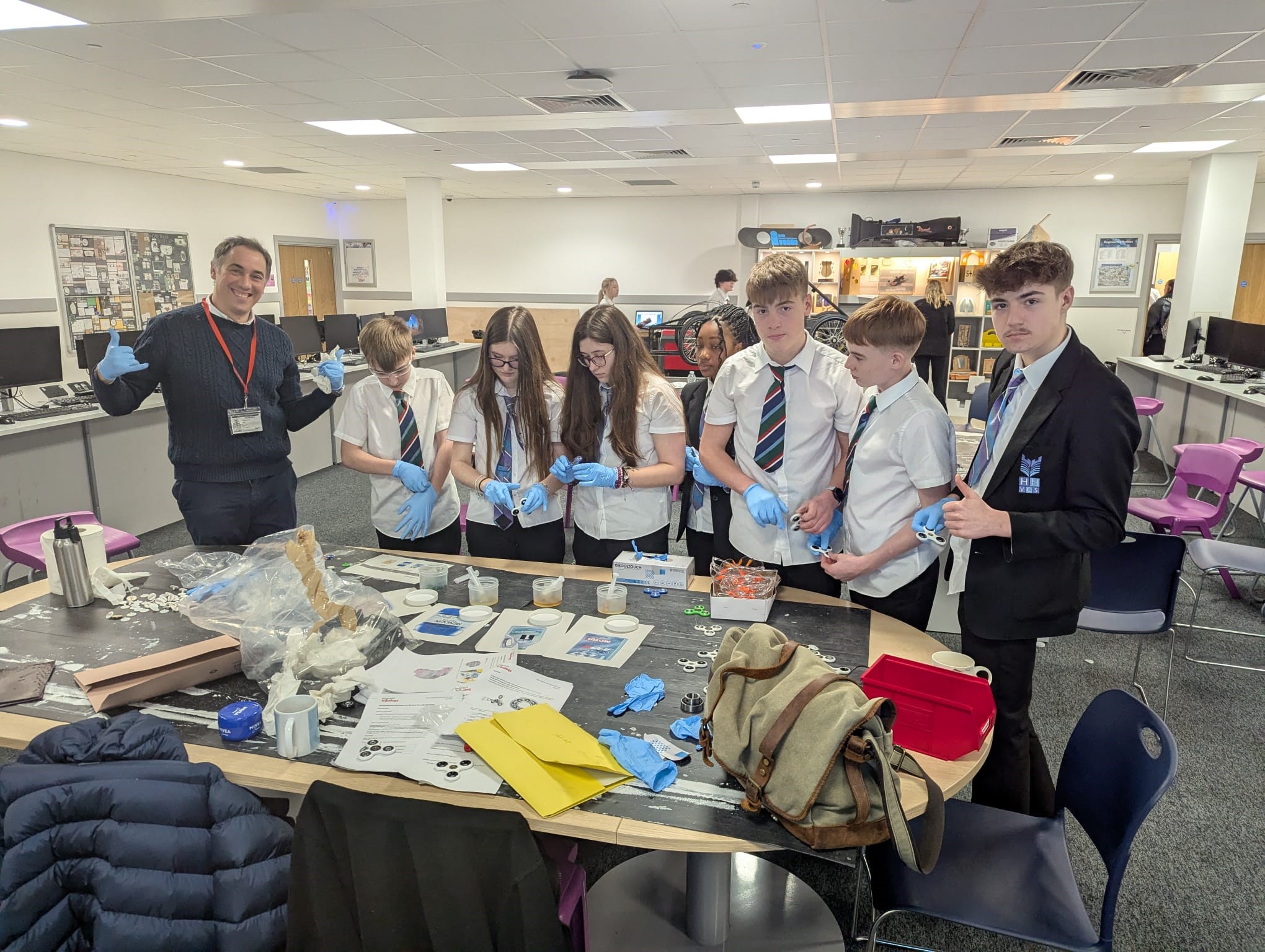
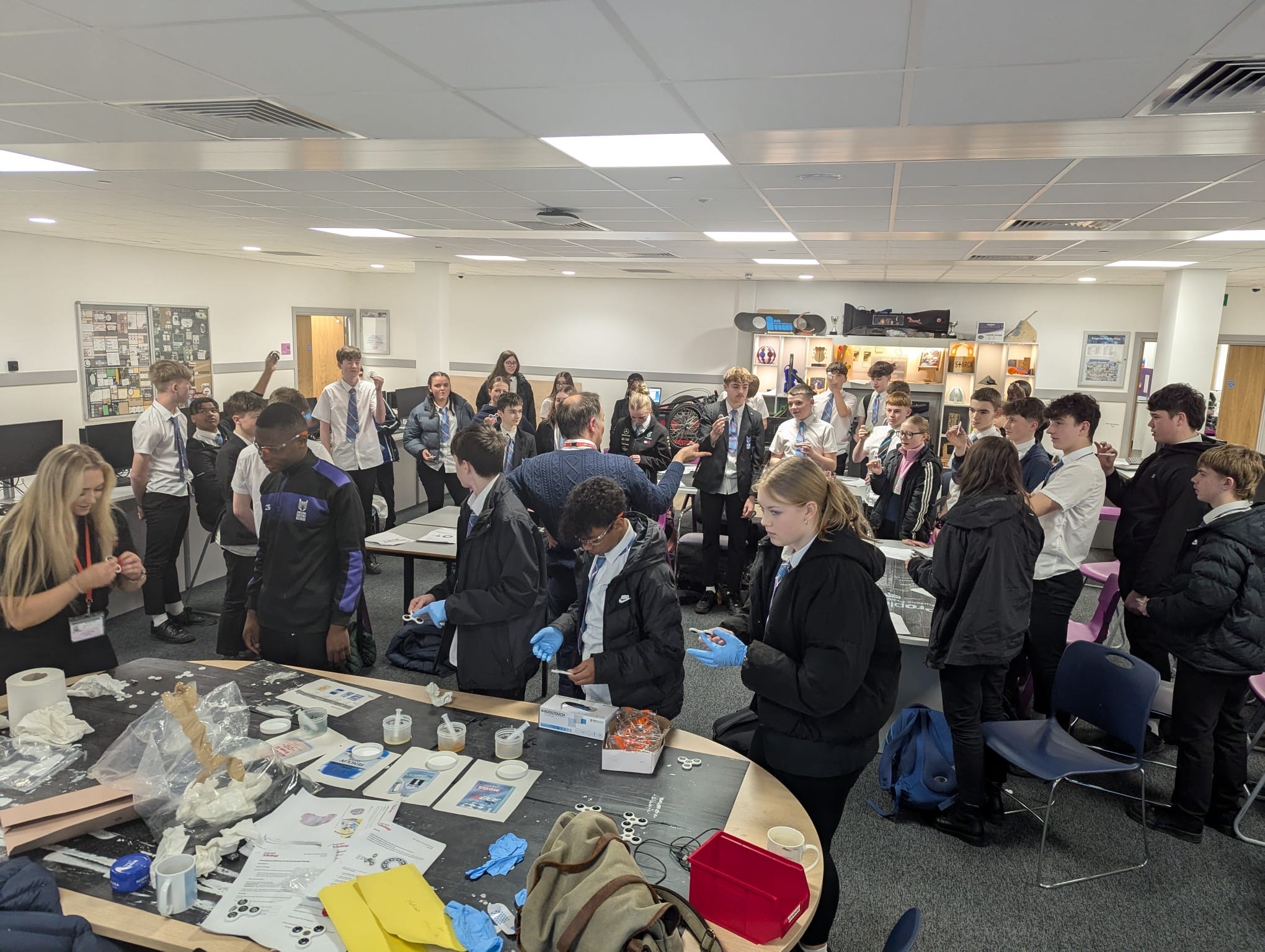
Last week, Marc and Lauren visited Haverfordwest High to deliver a Tribology workshop to Year 5 engineering students. We explored how friction plays a role in everyday life—whether on bikes, skateboards, roller skates, or surfboards. Then, we put theory into practice with a fidget spinner challenge, where students experimented with different oils and greases to optimize bearing performance for maximum spin time. It was fantastic to see their enthusiasm for problem-solving and experimentation!

In the afternoon, we worked hands-on with the all-female Greenpower F24 team, discussing key strategies for improving the efficiency of their electric race car:
🔧 Upgrading wheel and drivetrain bearings
🏎️ Using low rolling resistance tyres
❄️ Keeping the motor cool
💨 Optimising aerodynamics
We even got to test drive the car around the school grounds—it’s a fantastic machine! 🚗💨

We’re excited to follow the Haverfordwest High F24 team’s journey this season and will be on hand to support them, especially in their mission to reduce friction and boost efficiency.
Wishing them the very best in their races this year! 👏🏆

📢 Learn more about Greenpower F24: https://www.greenpower.co.uk/

🏫 Learn more about Haverfordwest High: https://www.haverfordwesthigh.pembrokeshire.sch.uk/

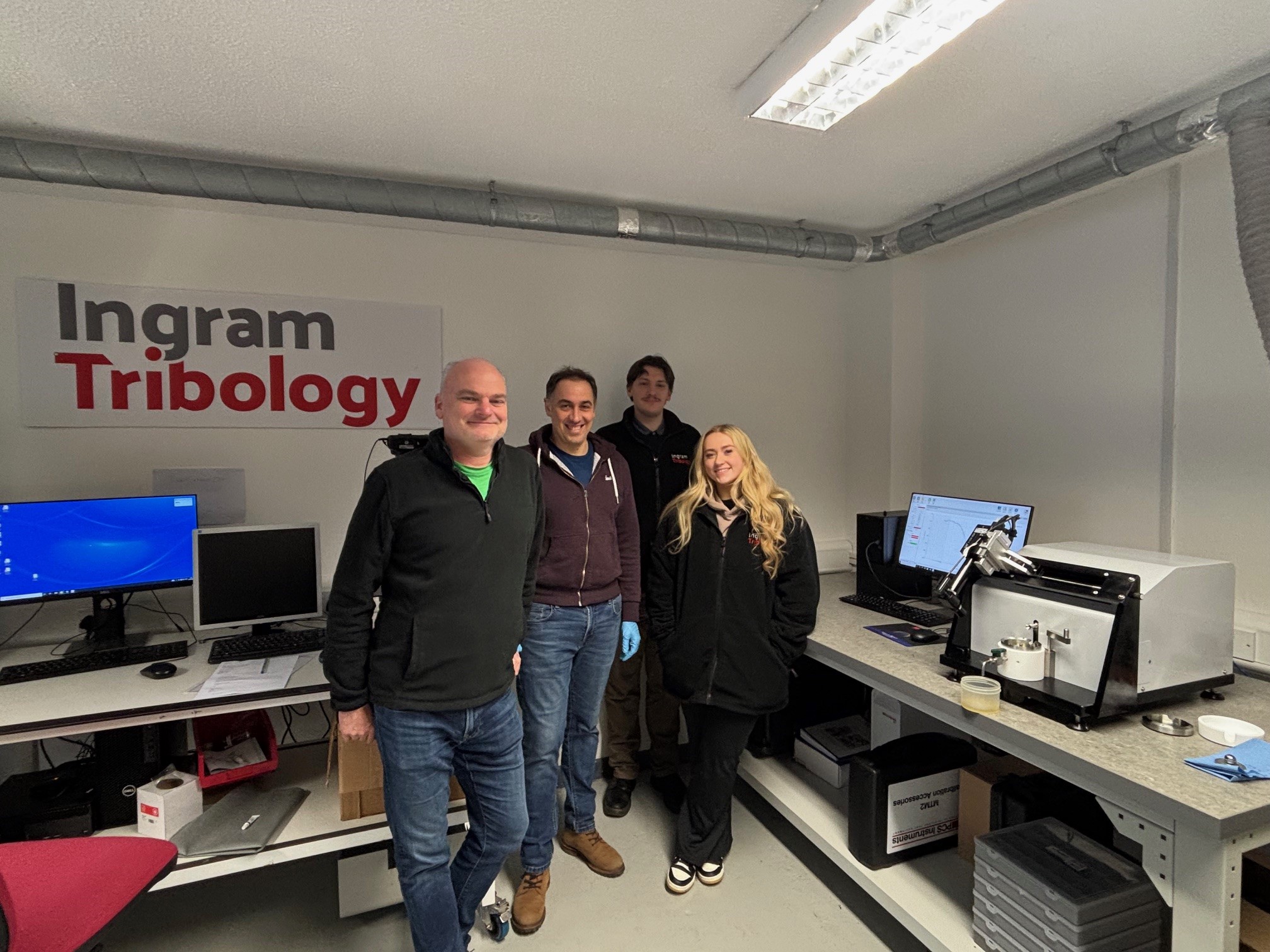
Installation of new electrified MTM at Ingram Tribology ⚡ 🚃 🚘

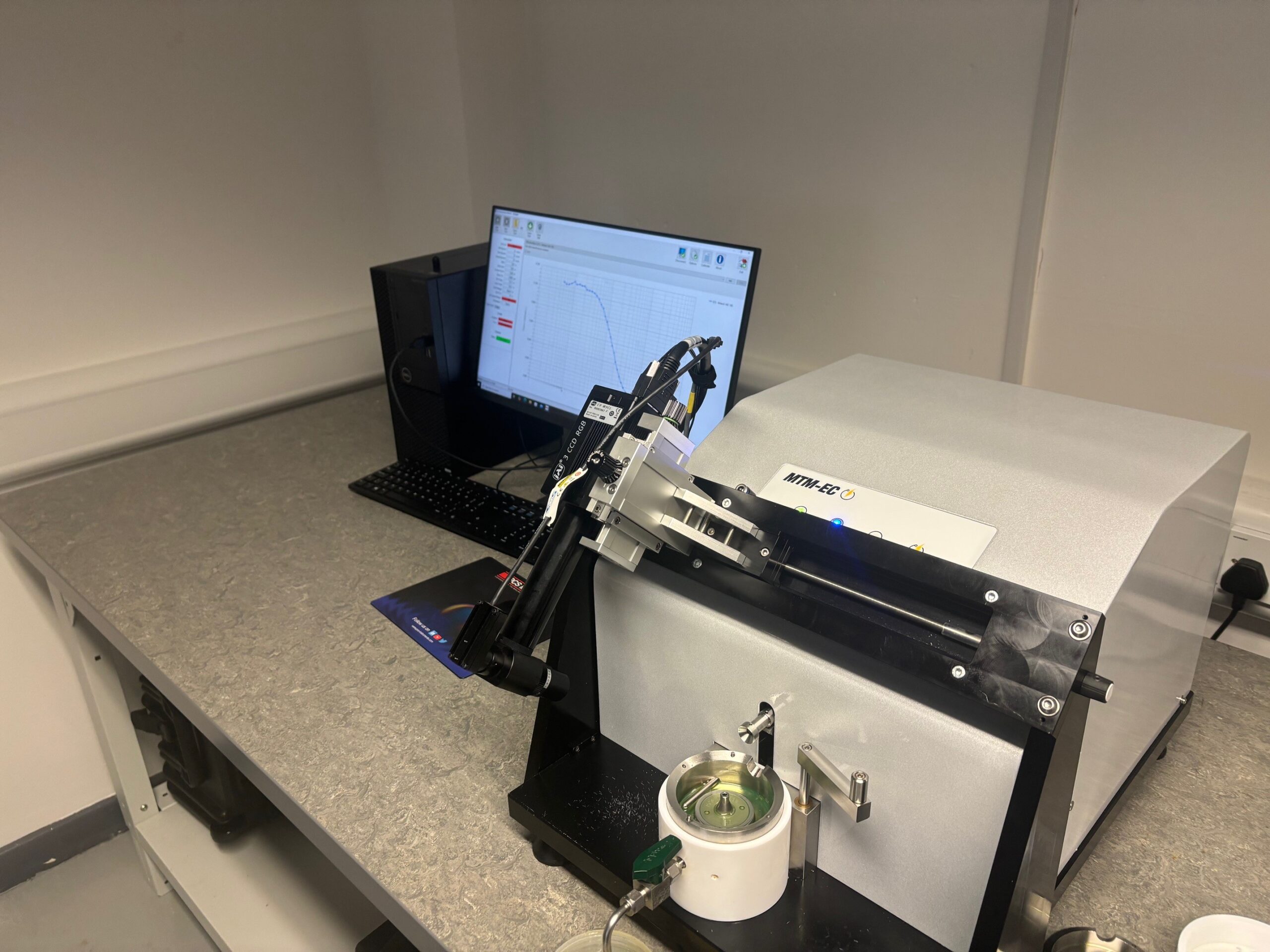
We have expanded our testing capabilities with the addition of the new MTM-EC (mini traction machine electrical current)! This new instrument allows us to study the effects of electrical currents on lubricated contacts.

In our growing electrified world, stray electrical currents can flow through mechanical devices. If the current is high, fluting damage can occur at the surface.  At lower currents more subtle effects can occur, such as the acceleration or hindering of tribofilm formation. This new device allows us to study how stray currents in machines such as wind turbines and electric vehicles effect lubricant performance. Helping to increase efficiency, reduce downtime and accelerate the deployment of new technologies.

Thanks to Matt at PCS for coming to visit and installing the rig!

Introducing our new testing capability: tackling Electrically induced White Etching Cracks (eWECs)! ⚡🔬 🚗 👨‍🔧

In today’s increasingly electrified world, machine elements are often located near electric motors and generators, where they can be exposed to stray currents. Electric vehicles and wind turbines are prime examples of where this issue can arise. These stray currents can significantly impact tribological contacts, accelerating subsurface alterations in the steel and leading to premature failures through pitting.

This phenomenon, known as electrically induced white etching cracks (eWECs), poses a major challenge to the durability and reliability of critical components.

At Ingram Tribology Ltd, we have expanded our testing capabilities to simulate these conditions. Our advanced setup now allows us to pass a controlled current through a rolling contact fatigue instrument, enabling the rapid generation of eWECs. This testing approach offers lubricant manufacturers, additive chemists, and material scientists the opportunity to study these effects and develop innovative technologies to prevent them.

If you’re interested in collaborating to solve this challenge with your technology, get in touch! We’re here to help you drive innovation and push the boundaries of tribological research.

Gear Micropitting Screening Test

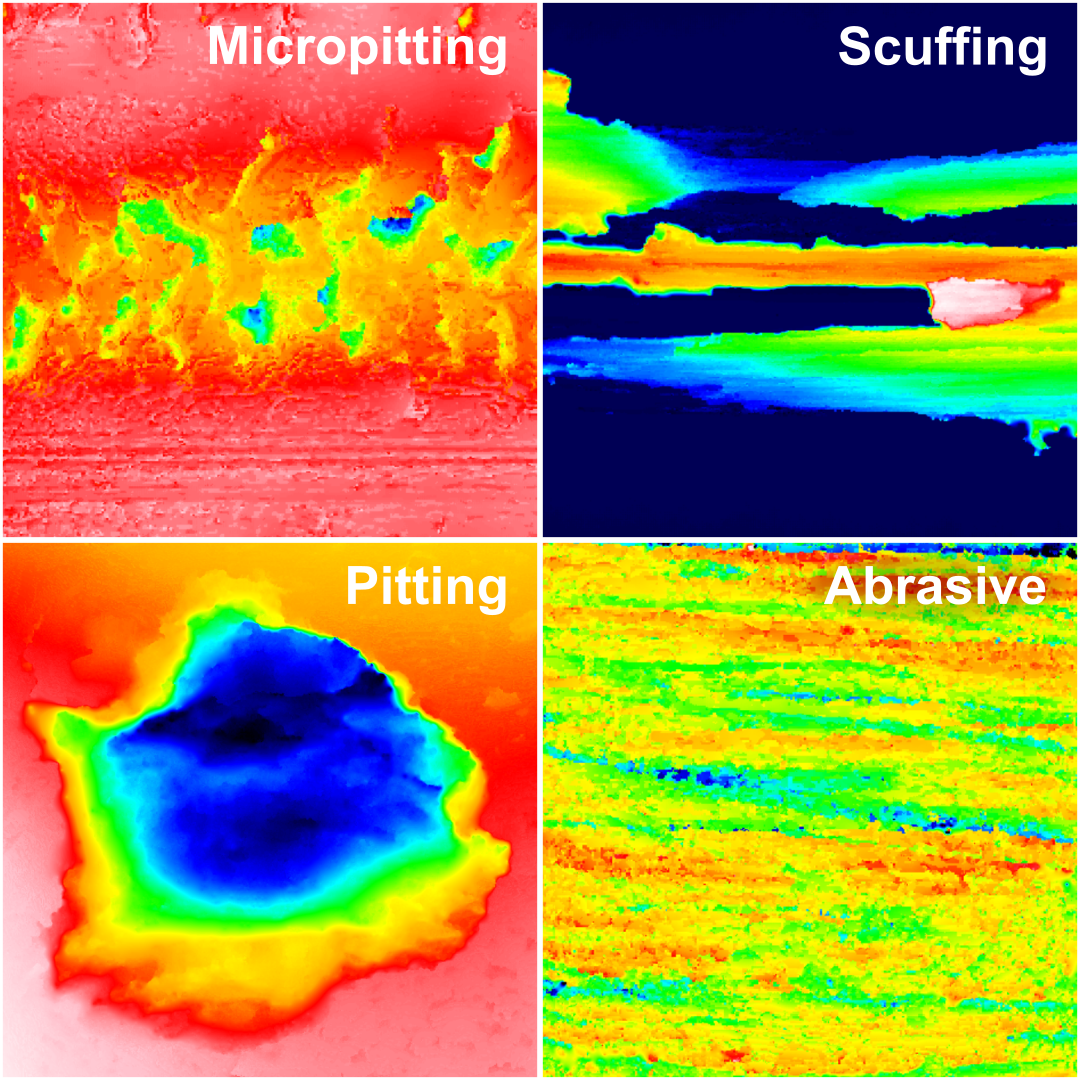
Micropitting is a type of fatigue wear commonly found on gear teeth. The gradual loss of material in the form of small surface pits leads to a change in the geometry of the component; if this is not controlled, it can result in failure of the part.

The standardised method of evaluating a lubricants ability to reduce micropitting is with a back-to-back gear machine (the FZG Gear Test).  This test for micropitting is very long – in the order of 3-4 weeks. 

We have developed an accurate and repeatable accelerated micropitting test.  Which is being used to help lubricant formulators develop new products, in a fast and cost-effective manner.

This test method uses the PCS Instruments MPR, in a 3 ring on roller configuration. 

The loss of material of our test roller “MPR Profile Deviation” correlates with the gear profile deviation as measured in the FZG FVA 54/7 or DIN 3990 part 16 method.  This gives oil formulators a useful and accurate tool to develop new lubricants.

If you would like to hear more, please get in touch. [email protected]

Merry Christmas from all of us at Ingram Tribology

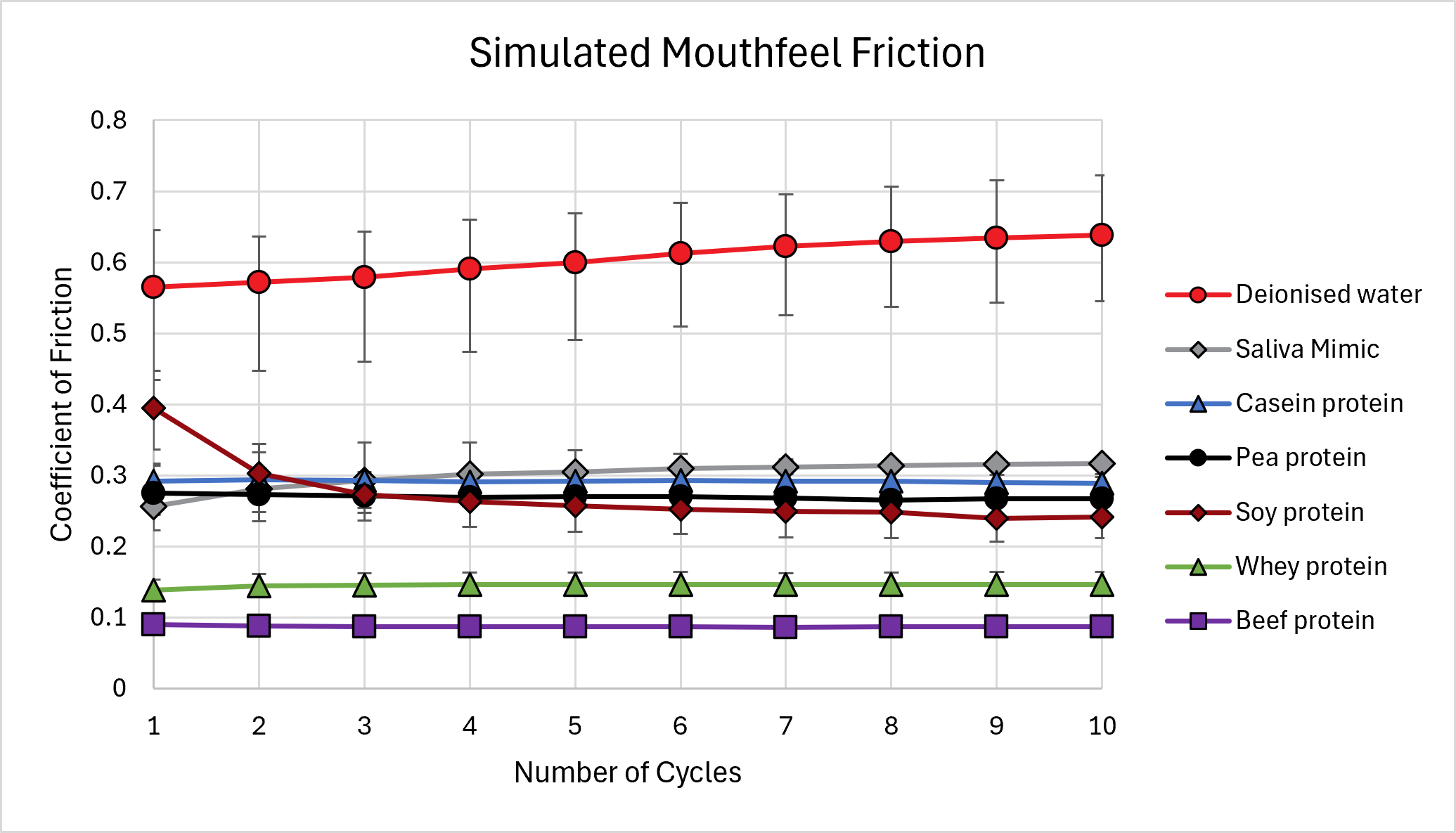
Our Christmas card this year depicts the scene of Santa enjoying the drinks left out for him near the fireplace.  Santa is trying both port and hot chocolate and notices a distinct difference in the mouthfeel between the two.  The port has a drier, thinner feel.  Whilst the hot chocolate impacts a smoother, creamier feeling. 

The mouthfeel of different foods and drinks can be accurately measured by the tools we have in our lab.  This helps in the development of delicious new foods and drinks.  

We hope you enjoy this year’s card from us, please feel free to share and to use the image as you wish.